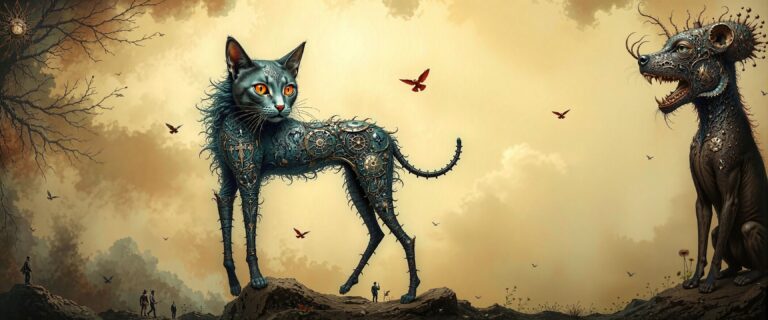
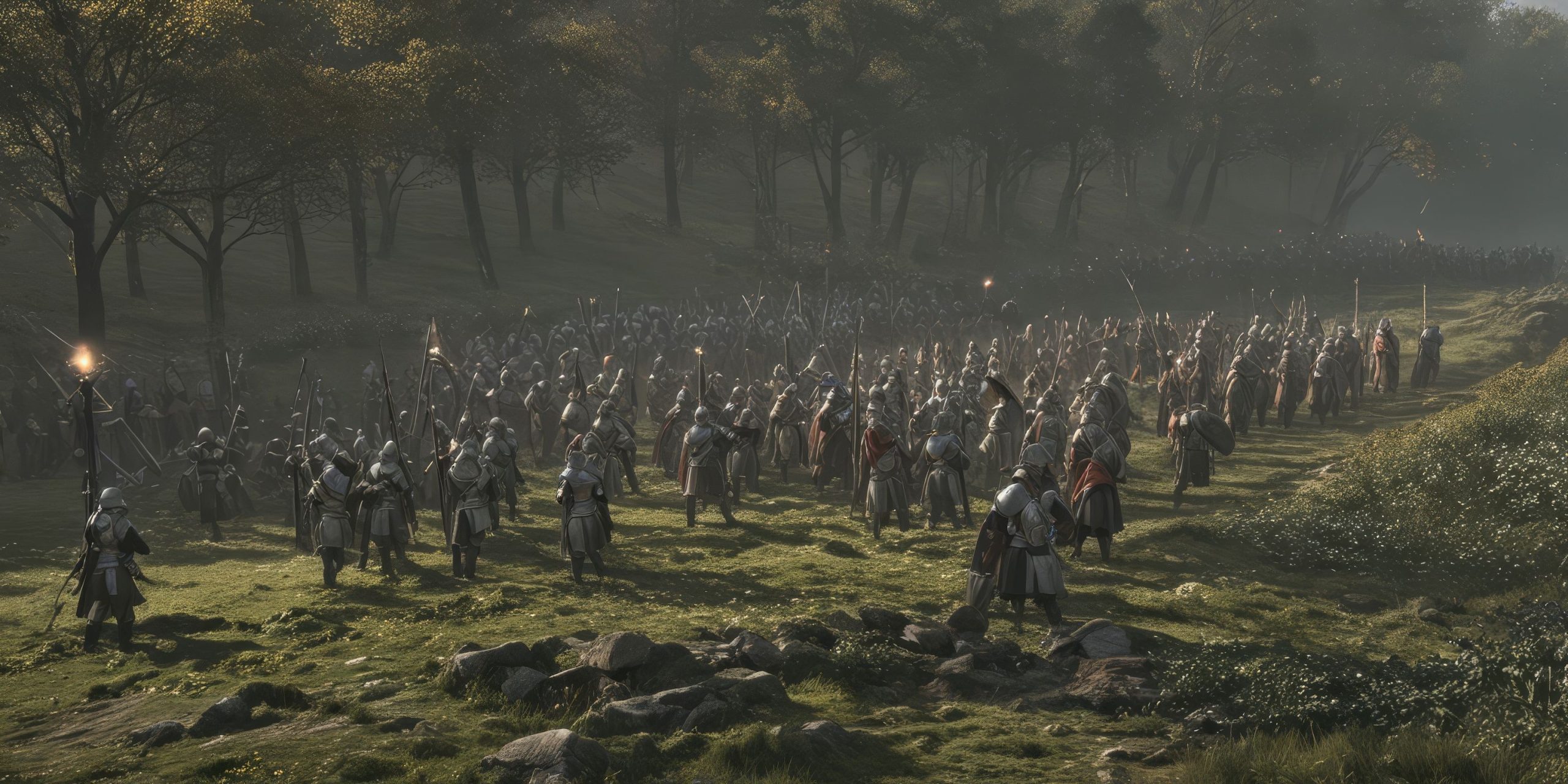
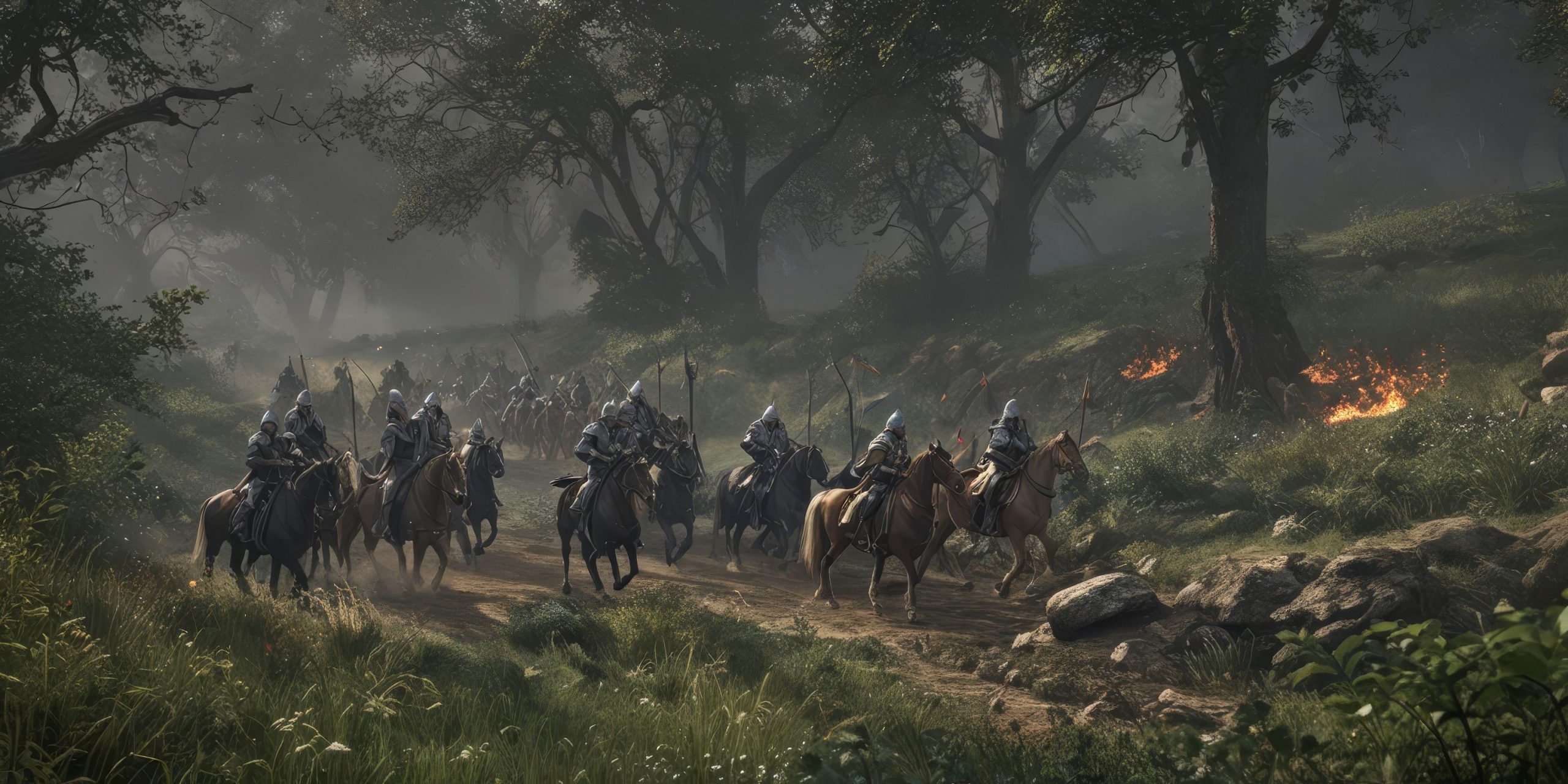
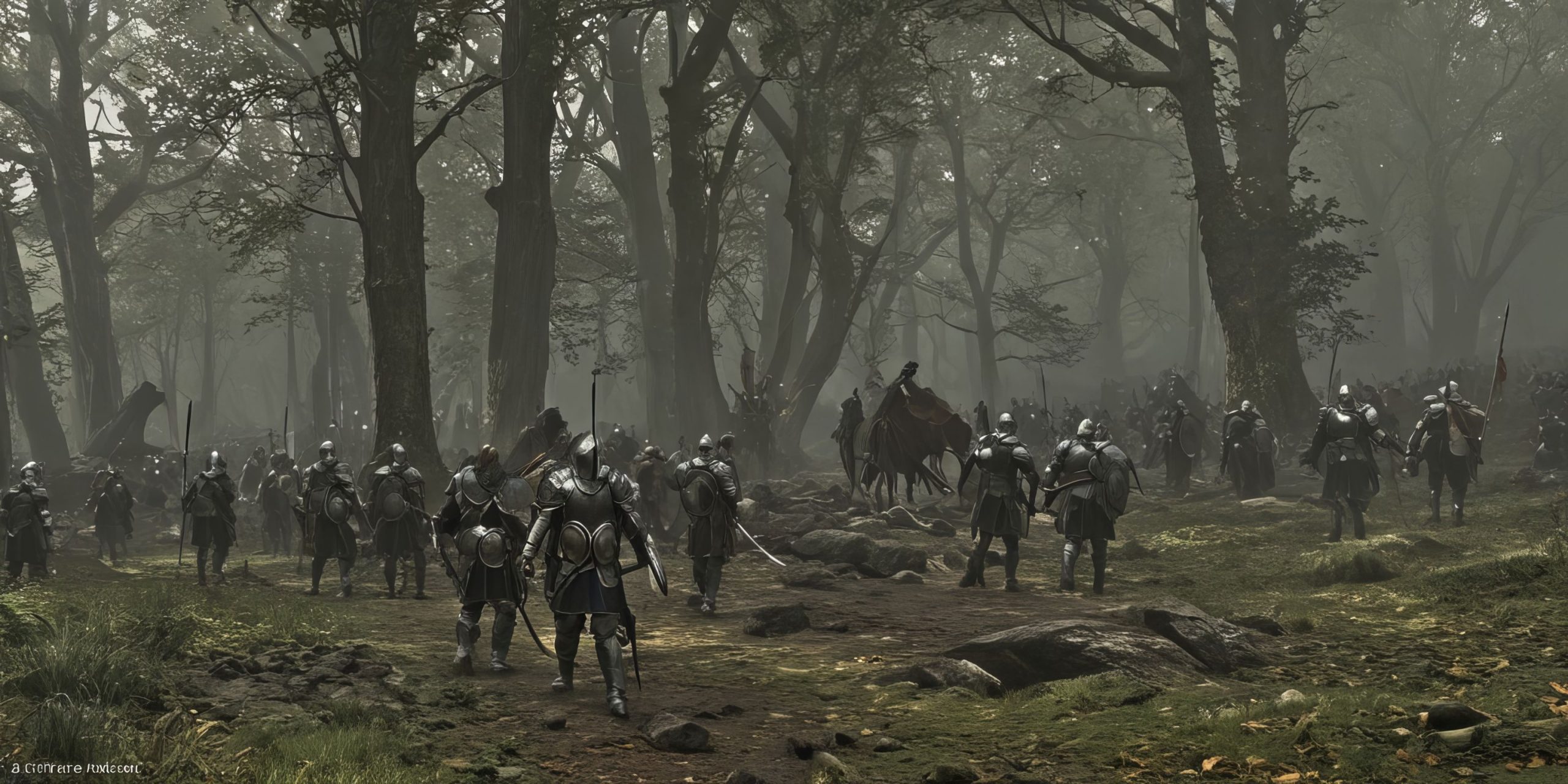
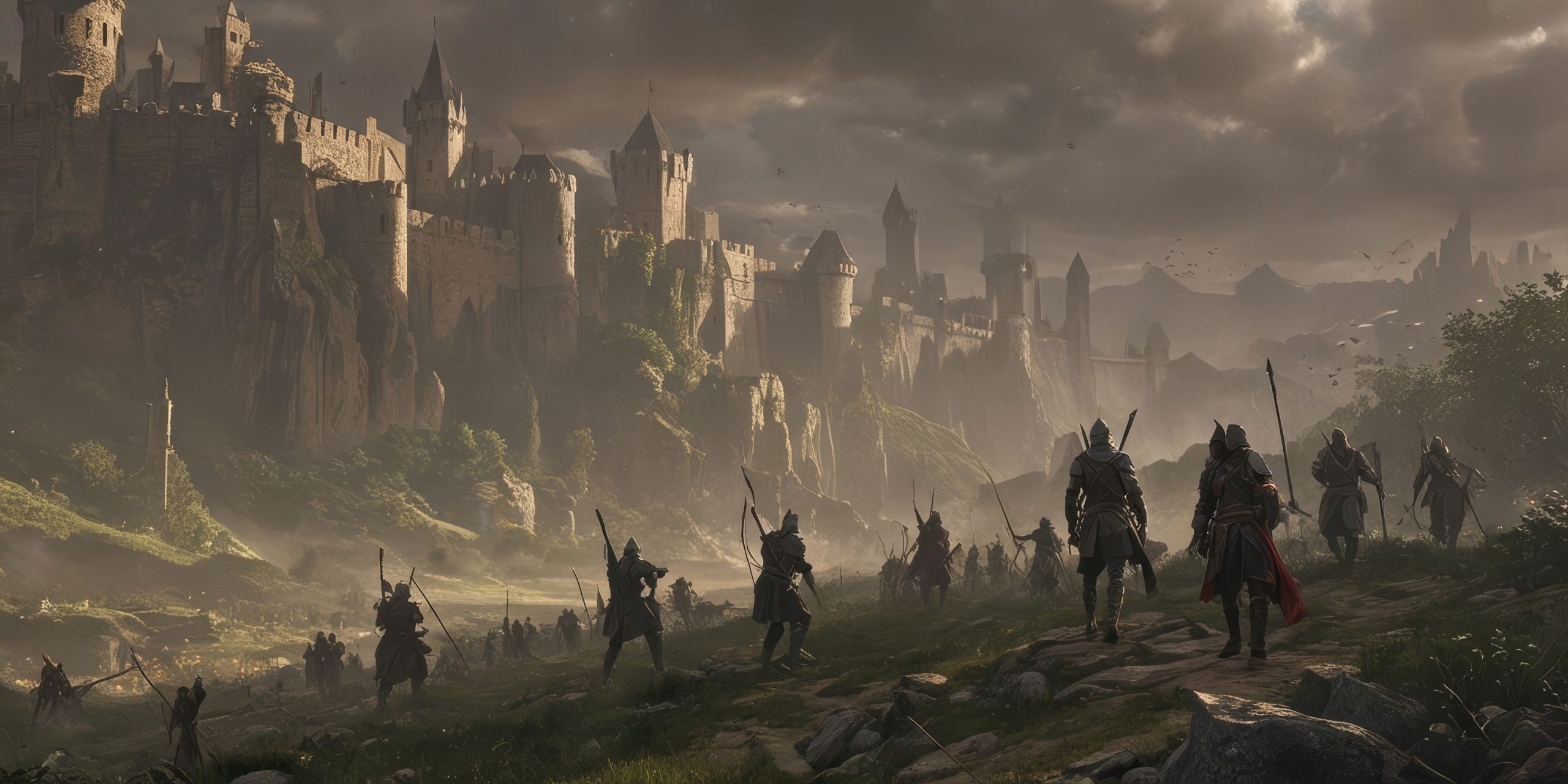
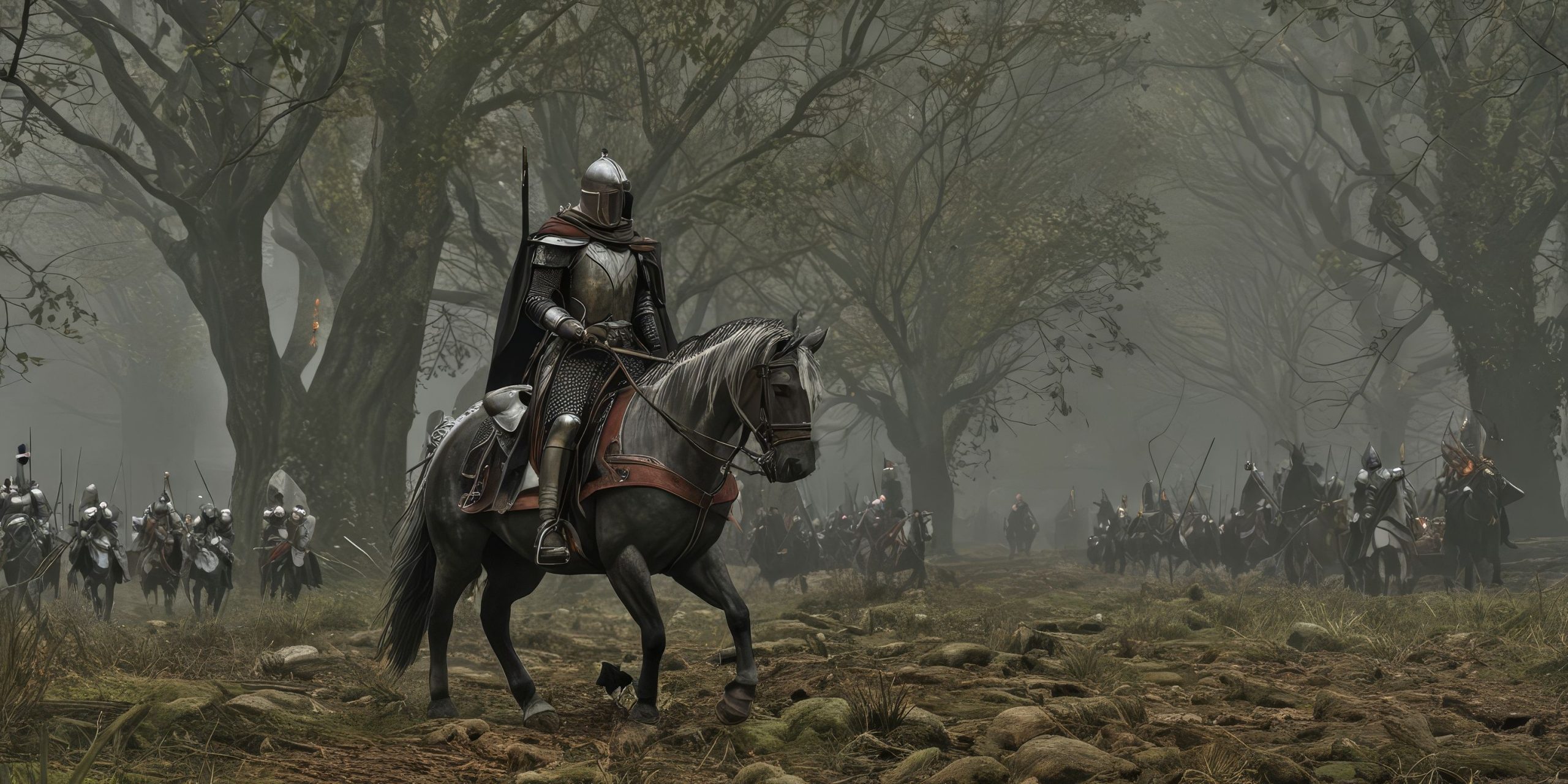
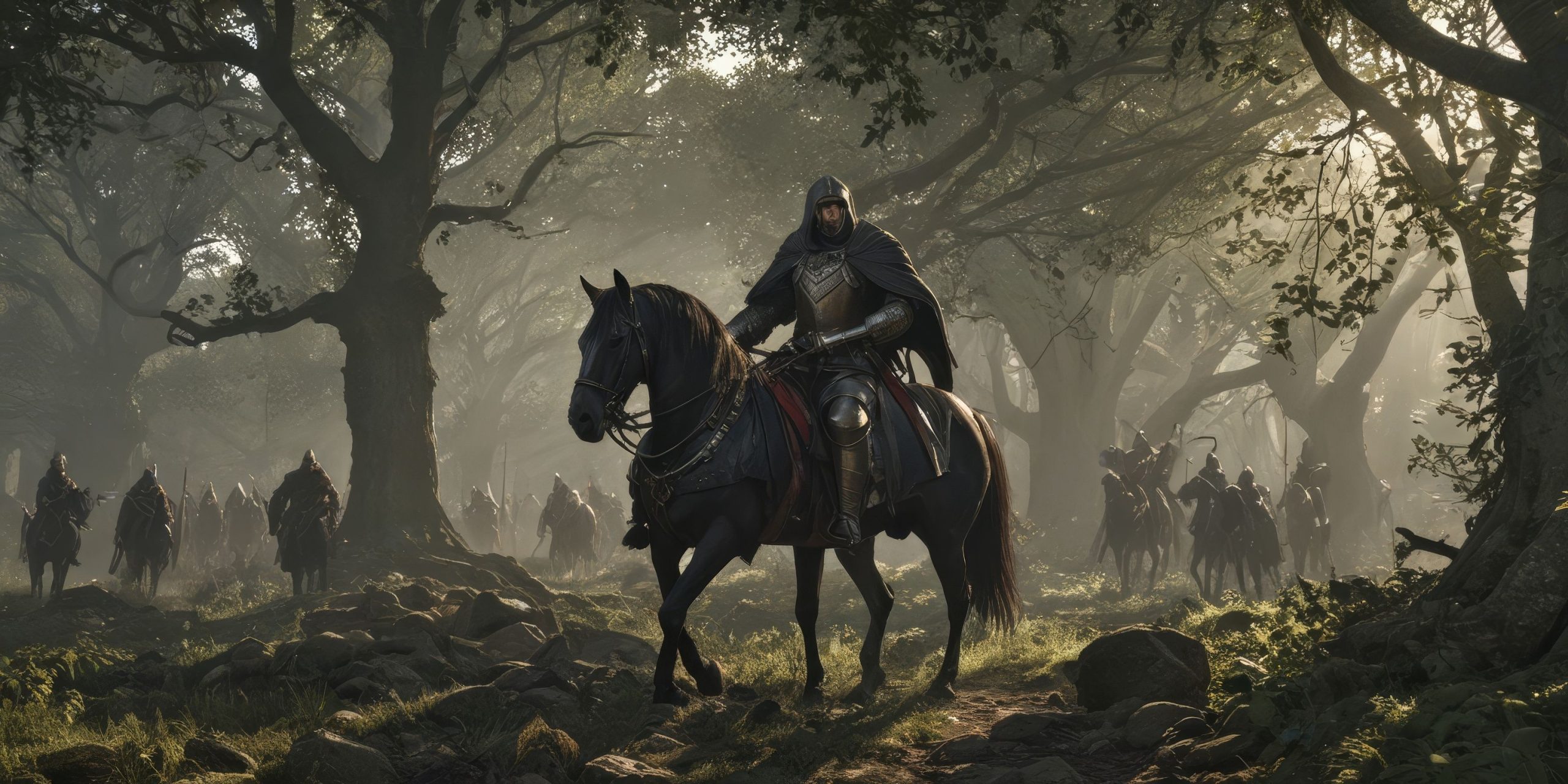
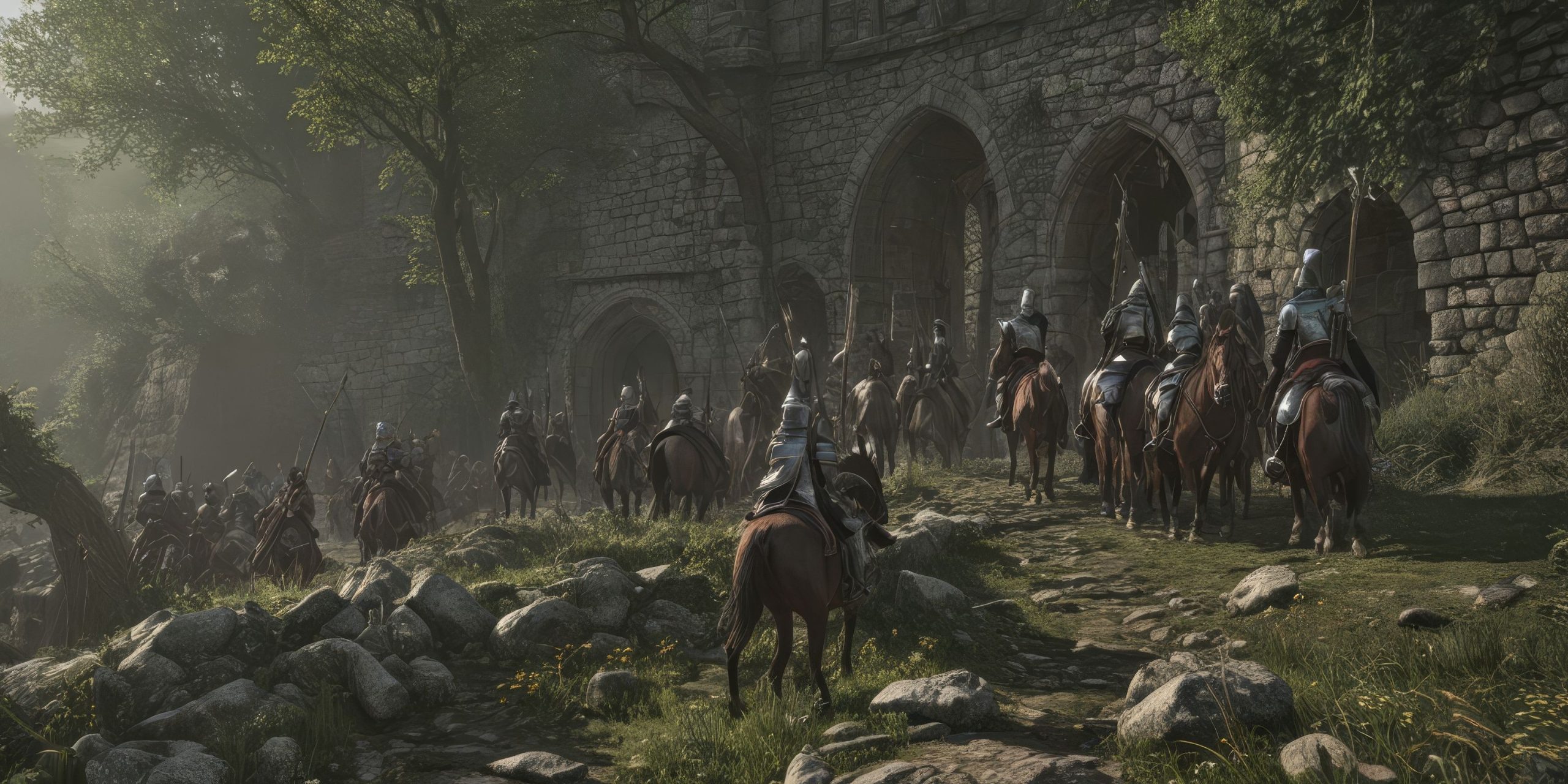
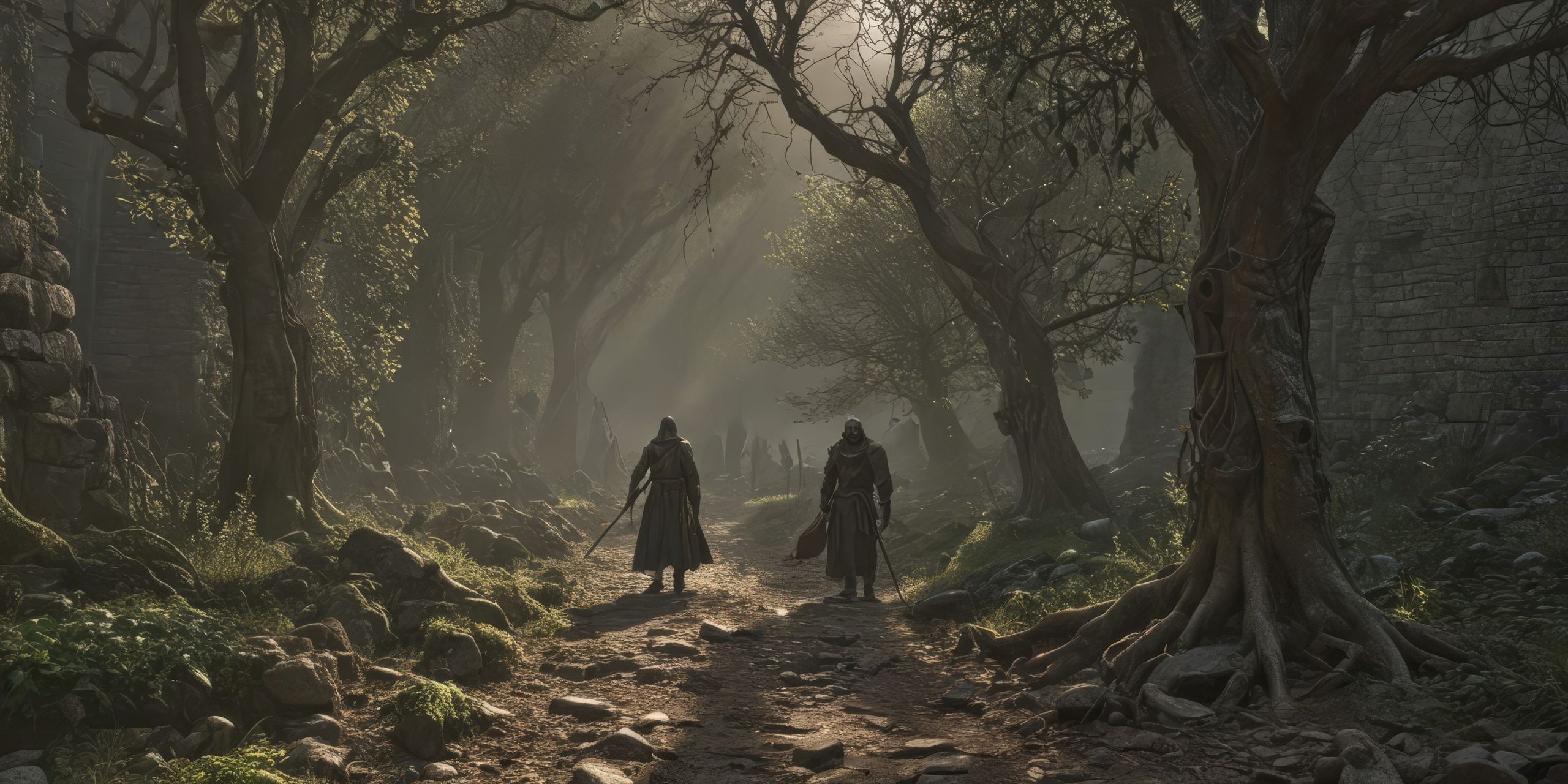
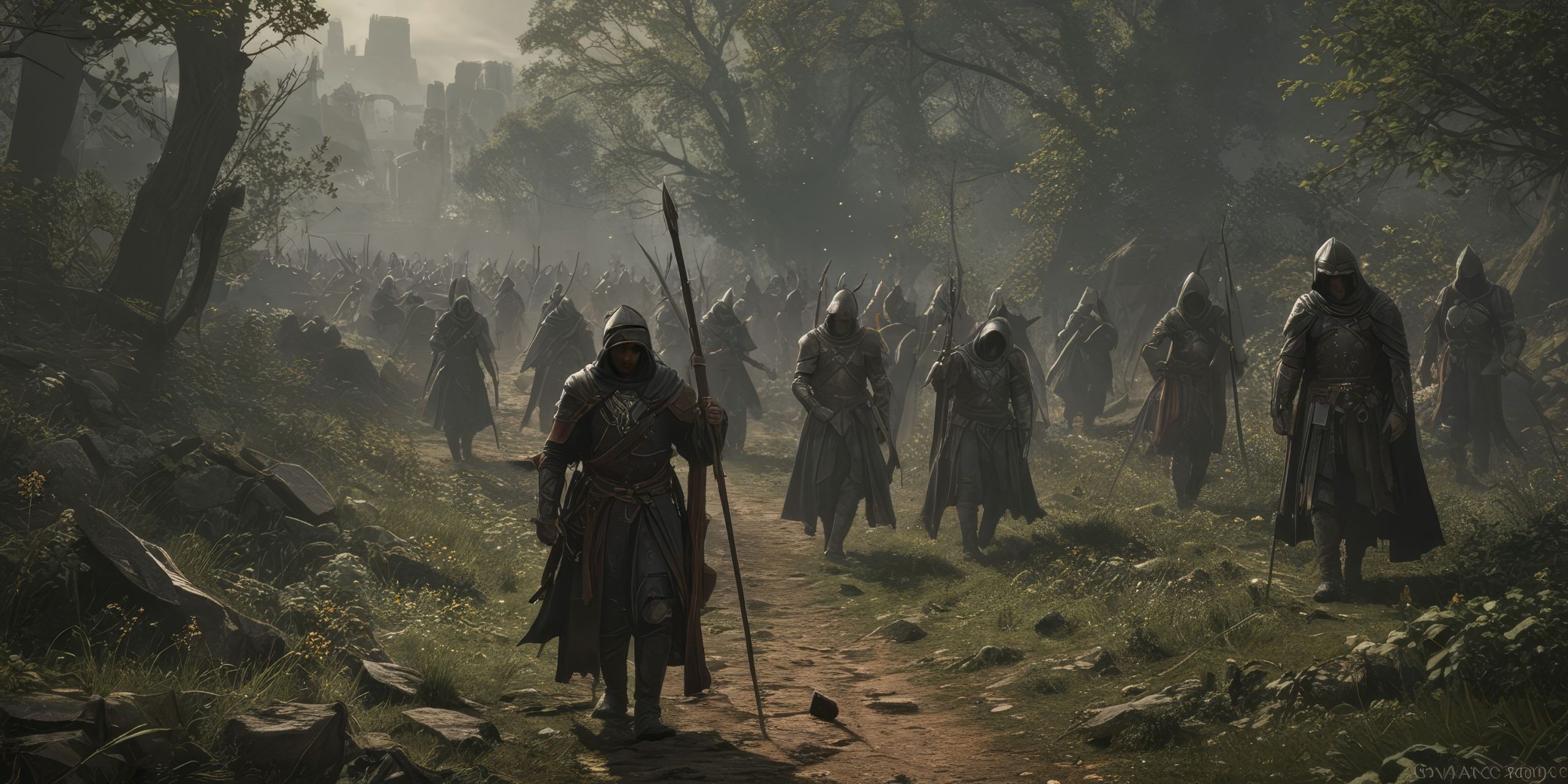
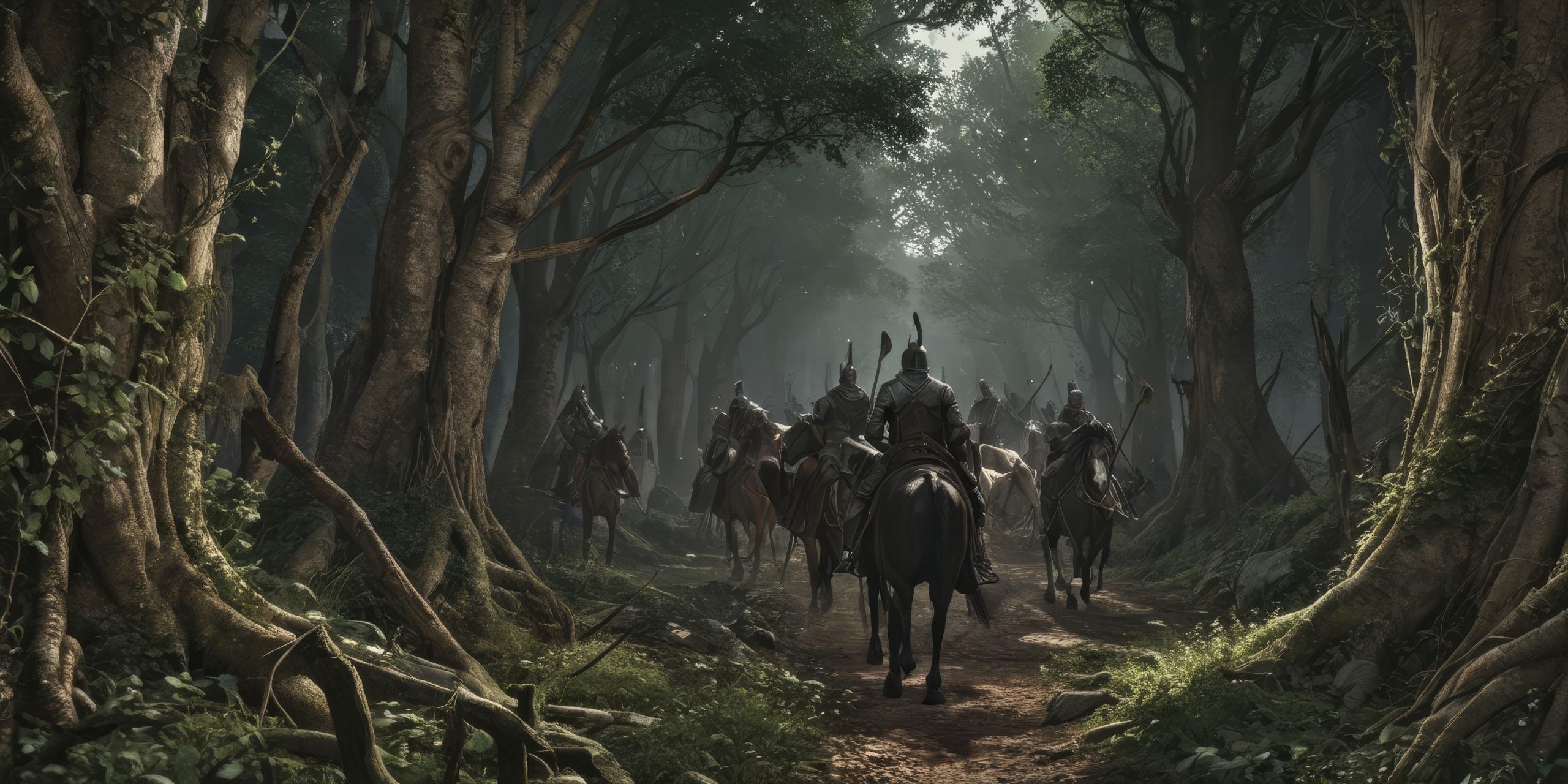
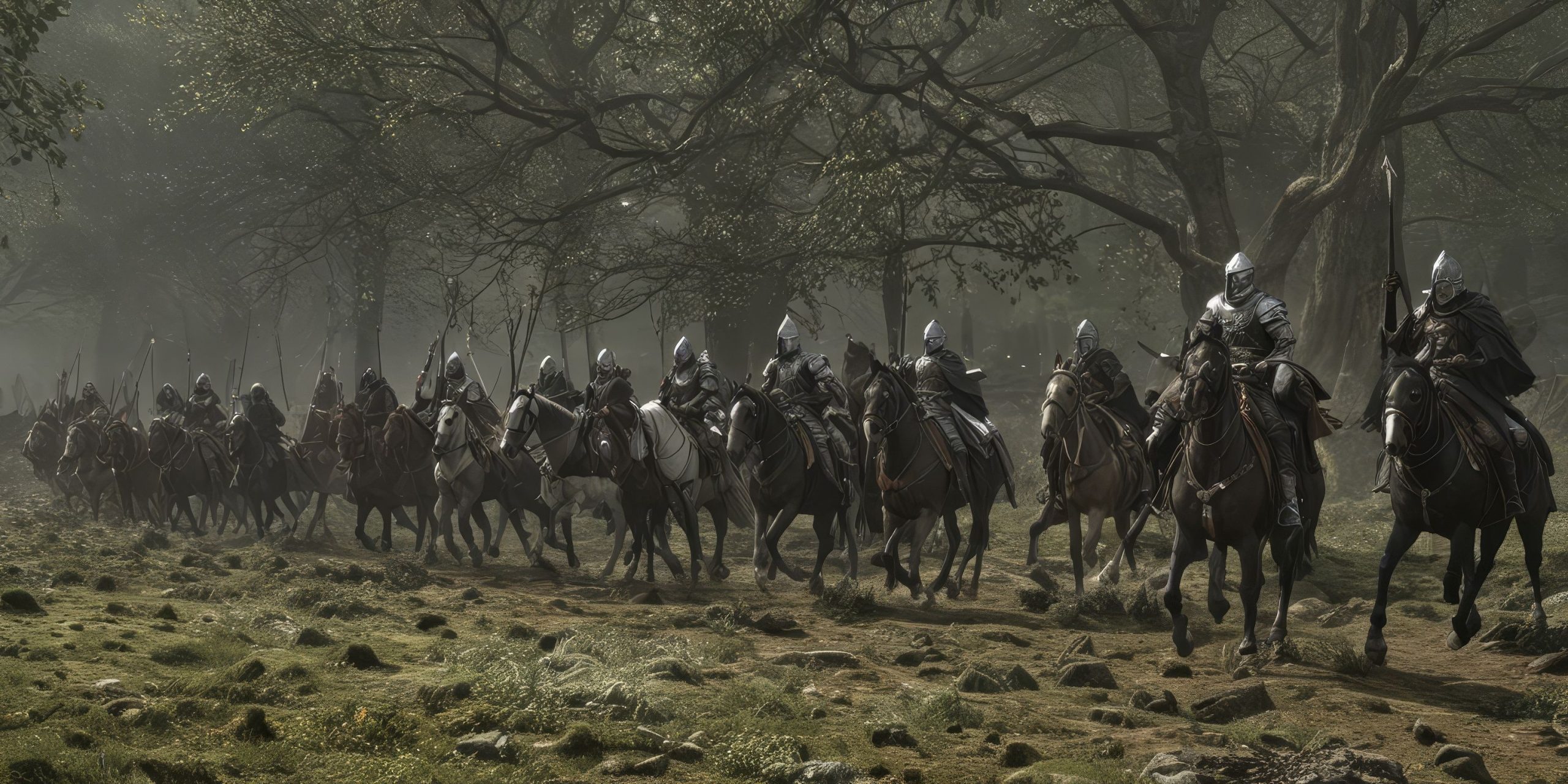
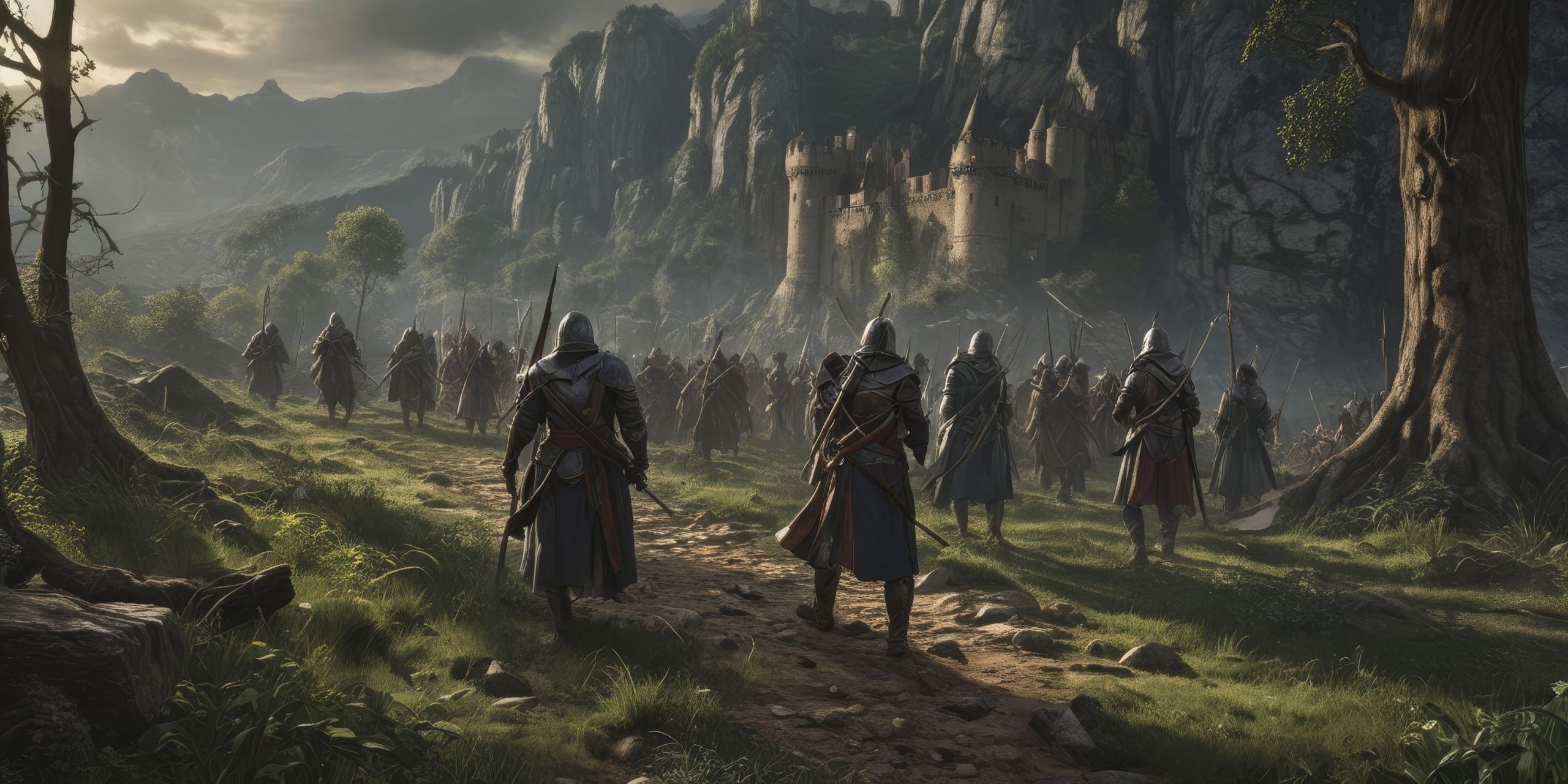
In the age of yore, amidst the verdant lands and ancient stones of an alternate medieval Europe, there began a tale of valor and shadow, a clandestine struggle known far and wide as The Shadow War. This saga, steeped in the mystic and the arcane, tells of a world where magic breathes life into the very soil upon which knights and sorcerers tread. The forces of light, a noble alliance of mages of great renown, valorous knights blessed by the arcane, and creatures of legend, stand as bastions against the encroaching darkness. This darkness, a vile congregation of dark mages, fell beasts, and specters, seeks to drape the world in eternal night. The conflict, as old as the ancient stones that bear witness to it, is a testament to the eternal dance between light and shadow.
The origins of this great war are woven into the fabric of legend, a tale passed down through generations, spoken in hushed tones by firesides. It is said that a relic of immense power, born of the heavens and the earth, became the heart of the war, a beacon that drew both savior and scourge to its might. Across the vast expanses of Europe, from its deepest woods to its highest peaks, the land became a grand stage for a conflict that would decide its fate. Magic, once a secret art, was unleashed in its full glory and horror, shaping the destiny of kingdoms and the very essence of the world itself.
In this era of turmoil, the tales of heroes and villains are etched into the memory of the land. These are not merely stories of battles fought and won but of the spirit of humanity, of the courage and the treachery that dwell in the hearts of all beings. The common folk, caught in the storm of this war, hold fast to the hope that the light will pierce the veil of darkness, bringing forth a dawn of peace. Yet, as the war rages on, the distinction between friend and foe, light and dark, becomes ever more elusive, leaving many to ponder if peace is but a fleeting dream in a realm where shadow and light are forever bound in an eternal struggle.
Timeline of the Shadow War
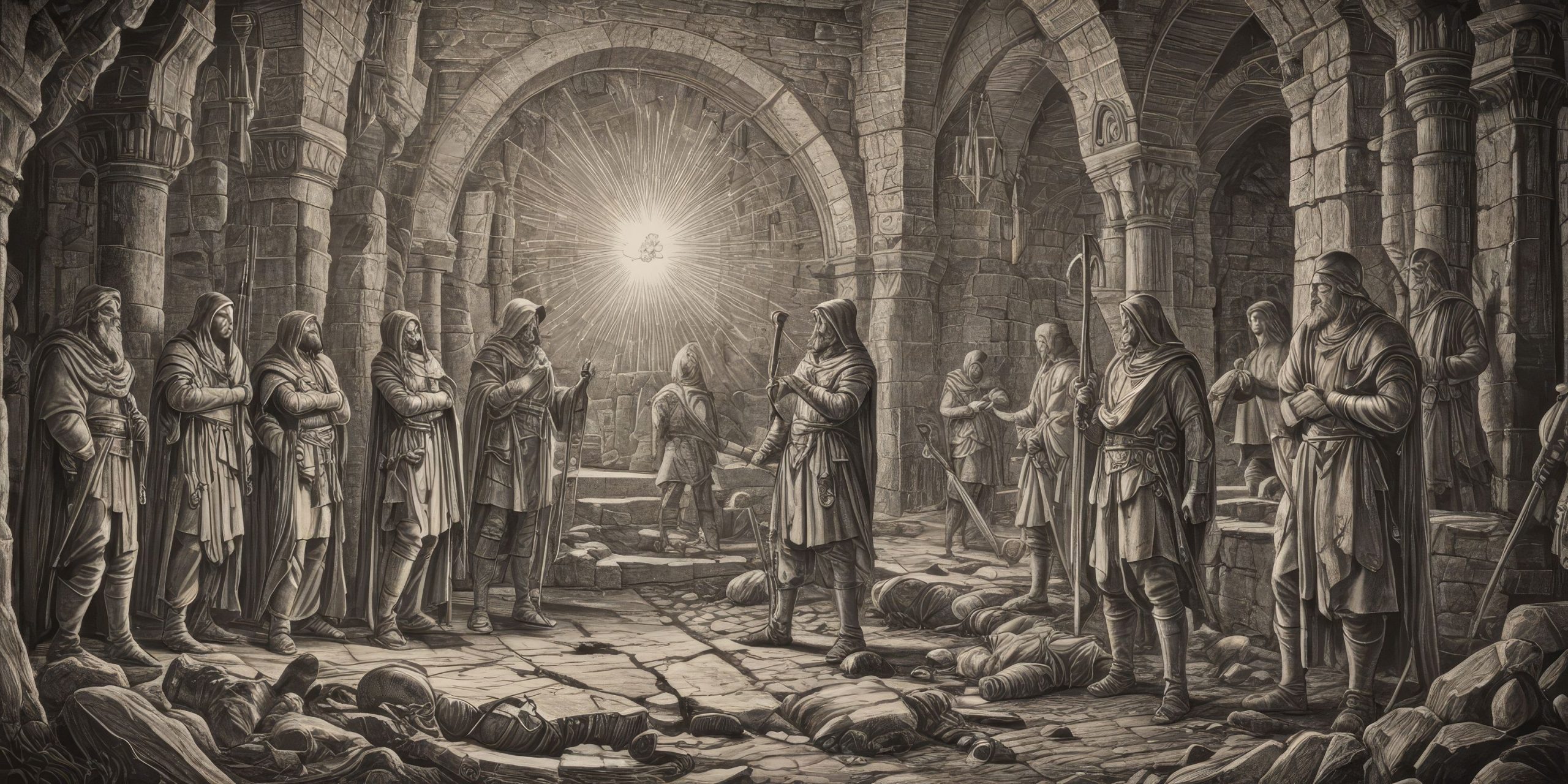
1154: The Arcane Artifact’s discovery within the ancient, forgotten Ruins of Netherdeep marked the onset of hostilities. This powerful relic, imbued with the potential to control the very essence of magic, ignited a struggle that would engulf the known world. Both forces, sensing its power, were drawn into a conflict that was as much about securing the future as it was about dominating the present.
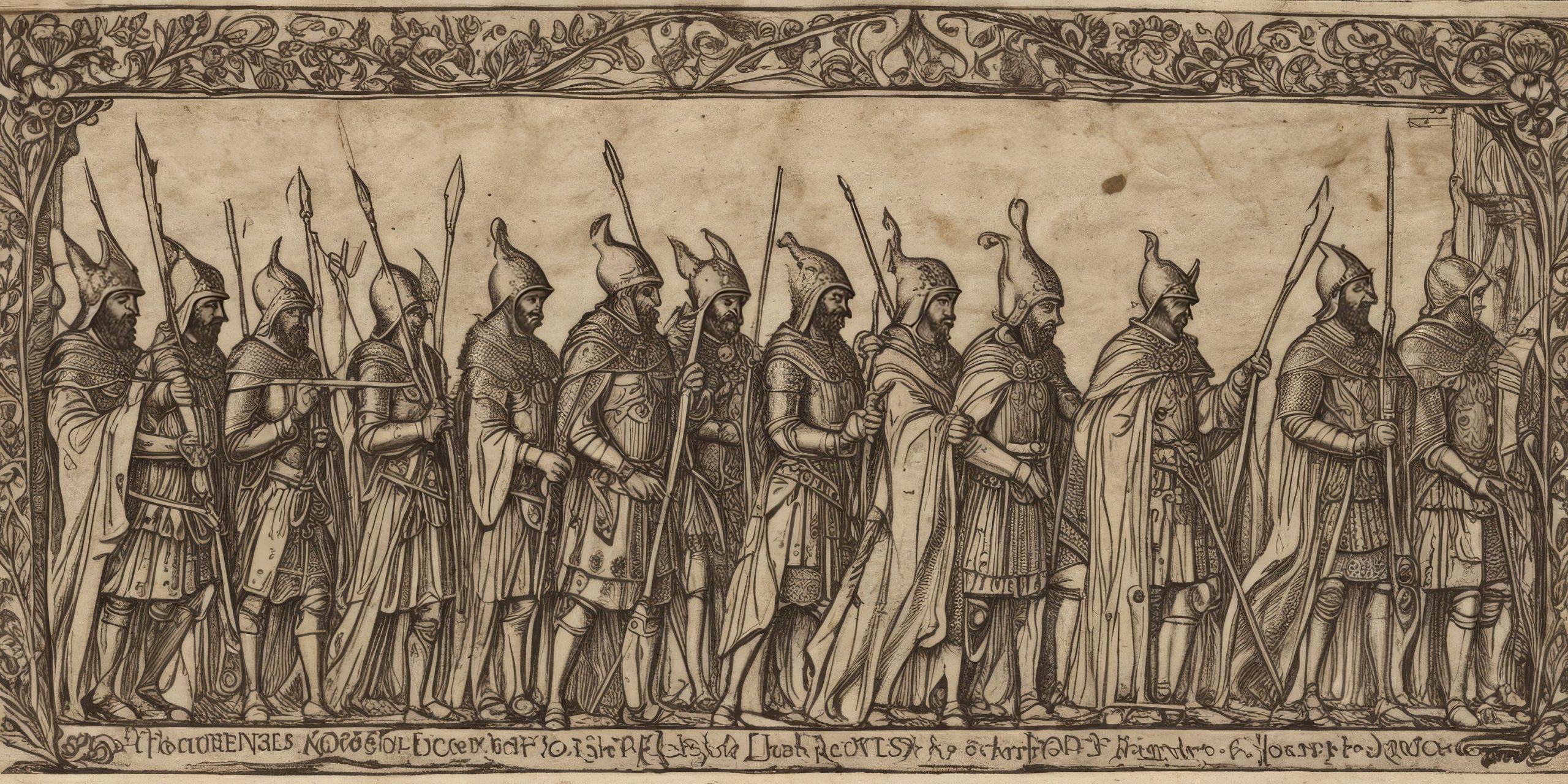
1156: The Formation of the Light Alliance signified a beacon of hope amidst growing darkness. Mages of profound ability, knights whose valor was the stuff of legends, and creatures from the realms of myth and legend came together. This coalition stood as a formidable bulwark against the advancing shadows, pledging to protect the land from the encroaching evil.
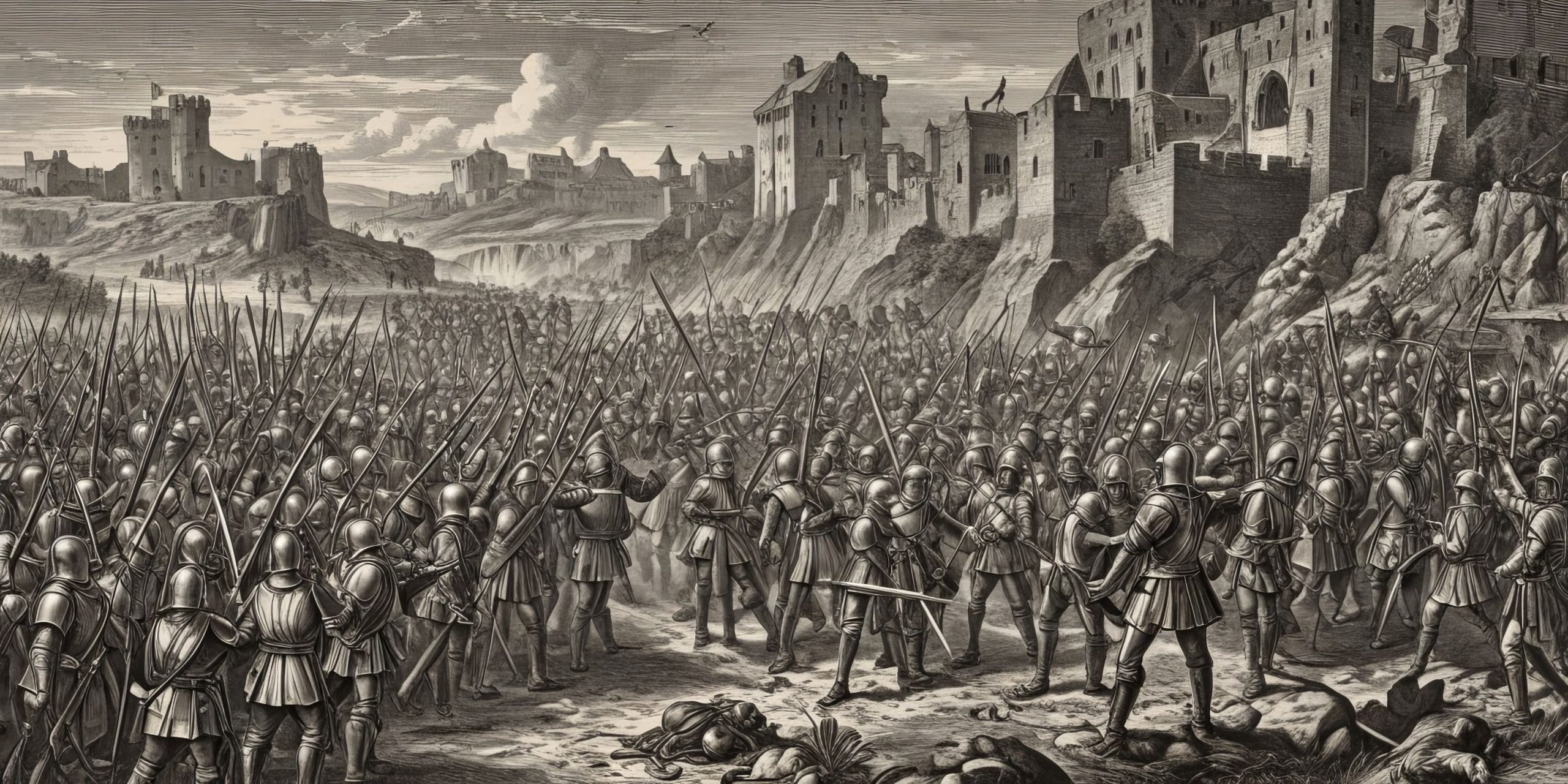
1158: The Siege of Silverfort, a fortress renowned for its impenetrable defenses and strategic location, marked the first major assault by the dark forces. The siege laid bare the ferocity and power of the darkness, as they unleashed fell magic and monstrous beasts upon the fortress walls, sending shockwaves across the realms.
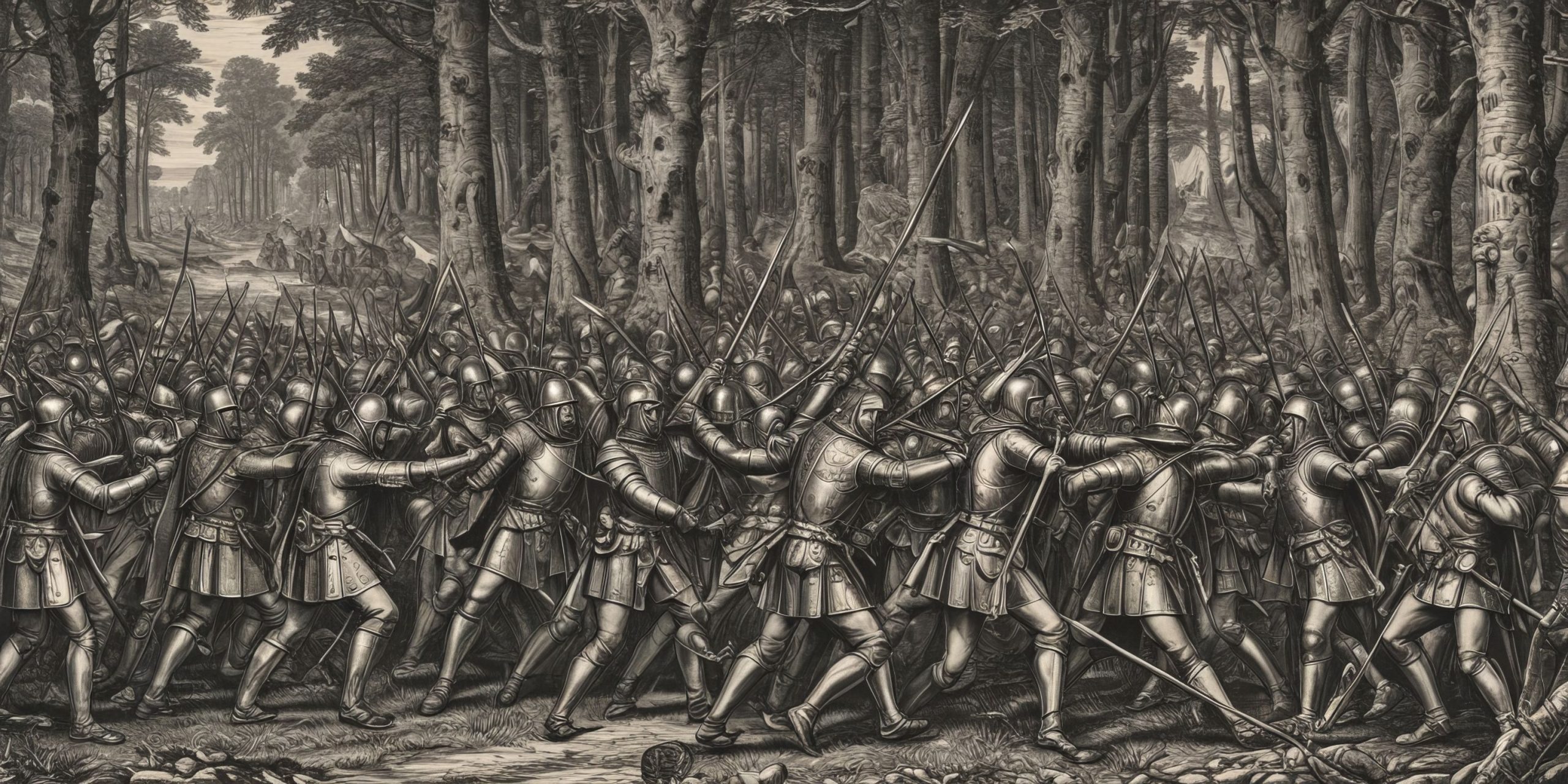
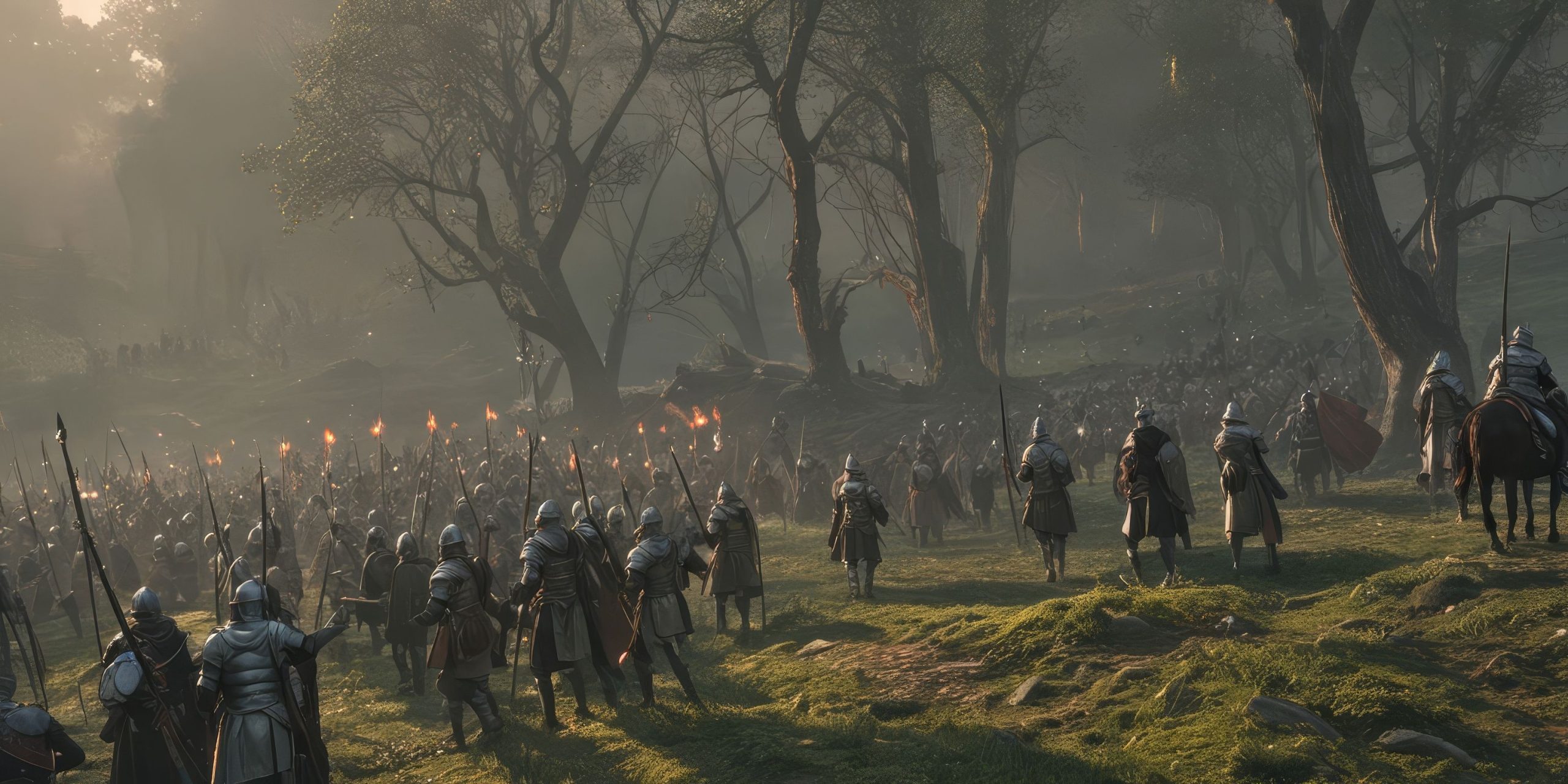
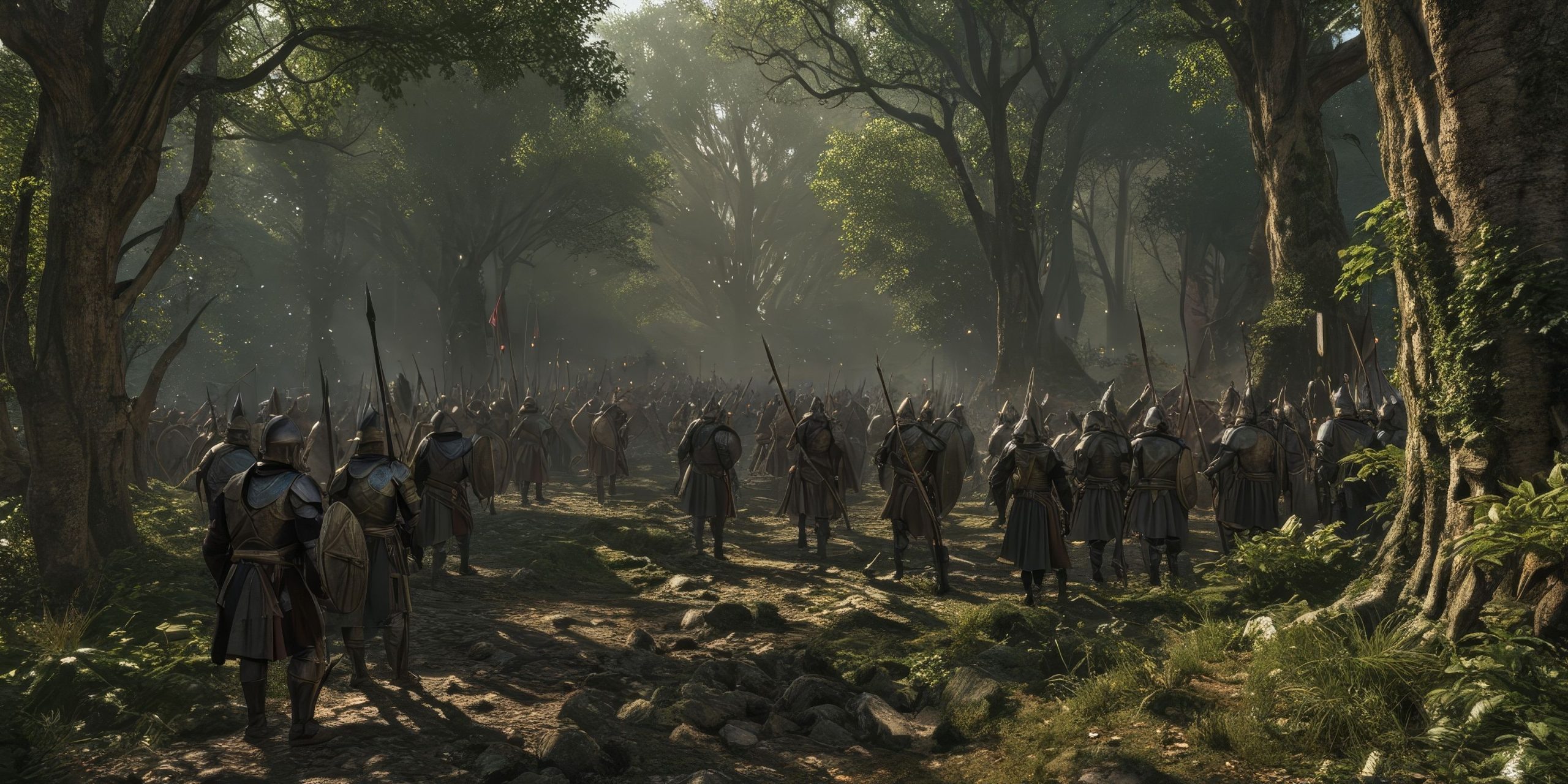
1162: The Battle of Whispering Woods turned the tide of war, showcasing the strategic genius and unity of the Light Alliance. In these dense, enchanted woods, the alliance ambushed a massive force of darkness, using the terrain to their advantage and decimating their foes with a combination of magic and martial prowess.
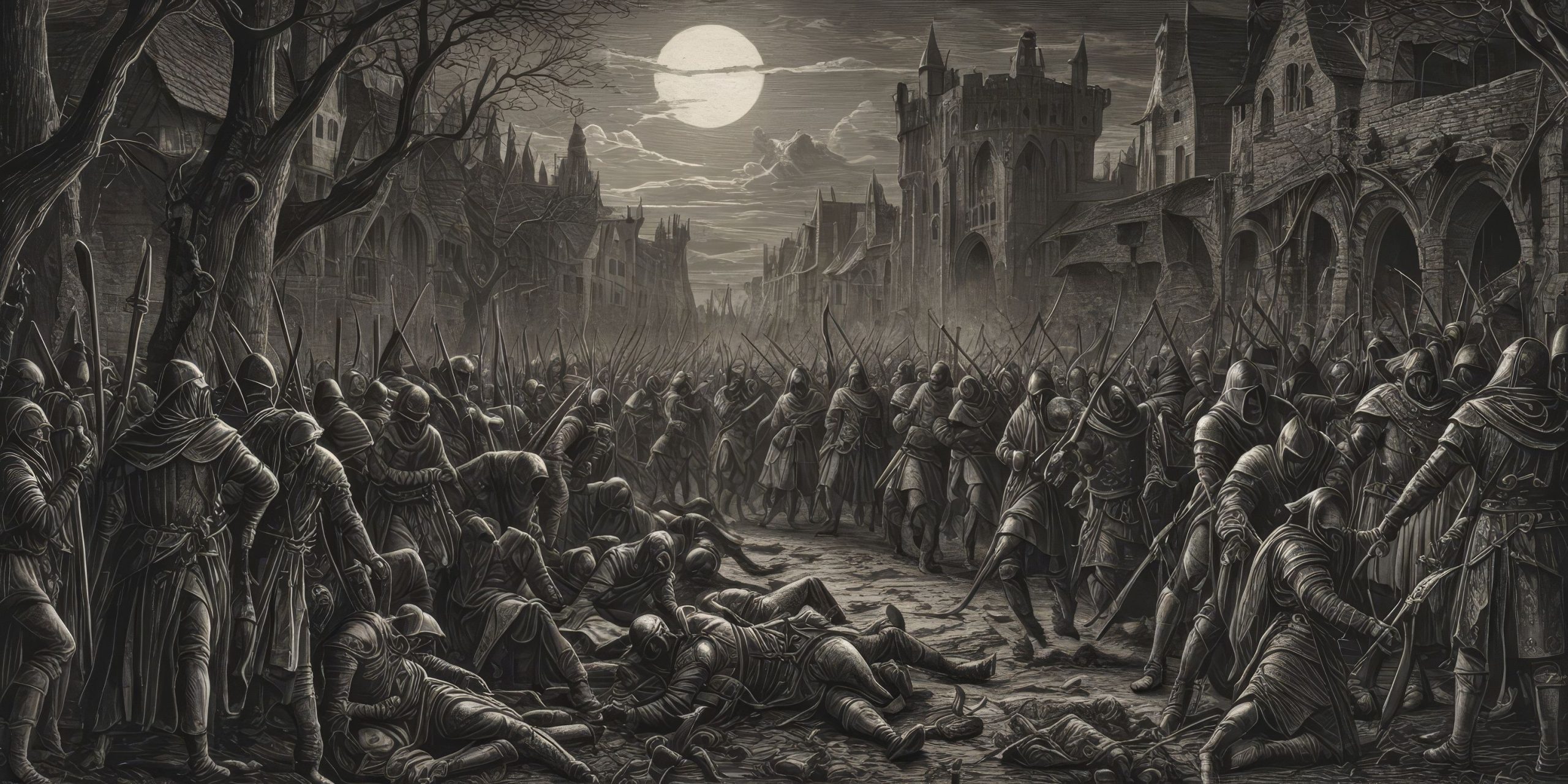
1165: The unleashing of the Dark Plague by shadow sorcerers was a sinister turn of events. This magical contagion spread across villages and cities, claiming countless lives and sowing despair among the populace. The Light Alliance was stretched to its limits, battling both an unseen enemy and the forces of darkness.
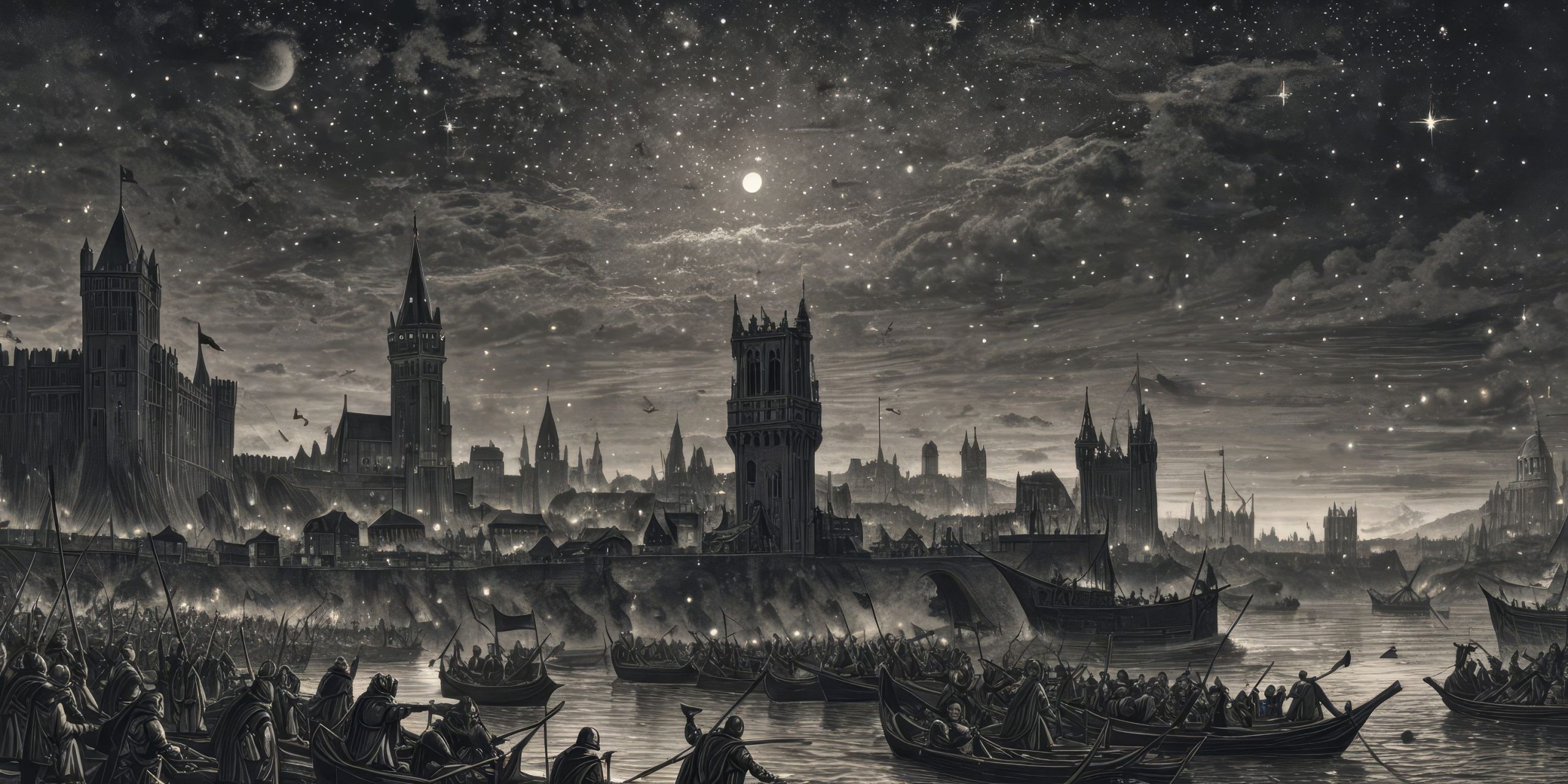
1167: The Night of Falling Stars, a rare celestial event, became a turning point in the war. The falling stars were harnessed by the mages of the Light Alliance, bolstering their magic and enabling them to break the prolonged siege on the Citadel of Dawn. This victory rekindled hope across the land and demonstrated the power of the natural world when aligned with the forces of light.
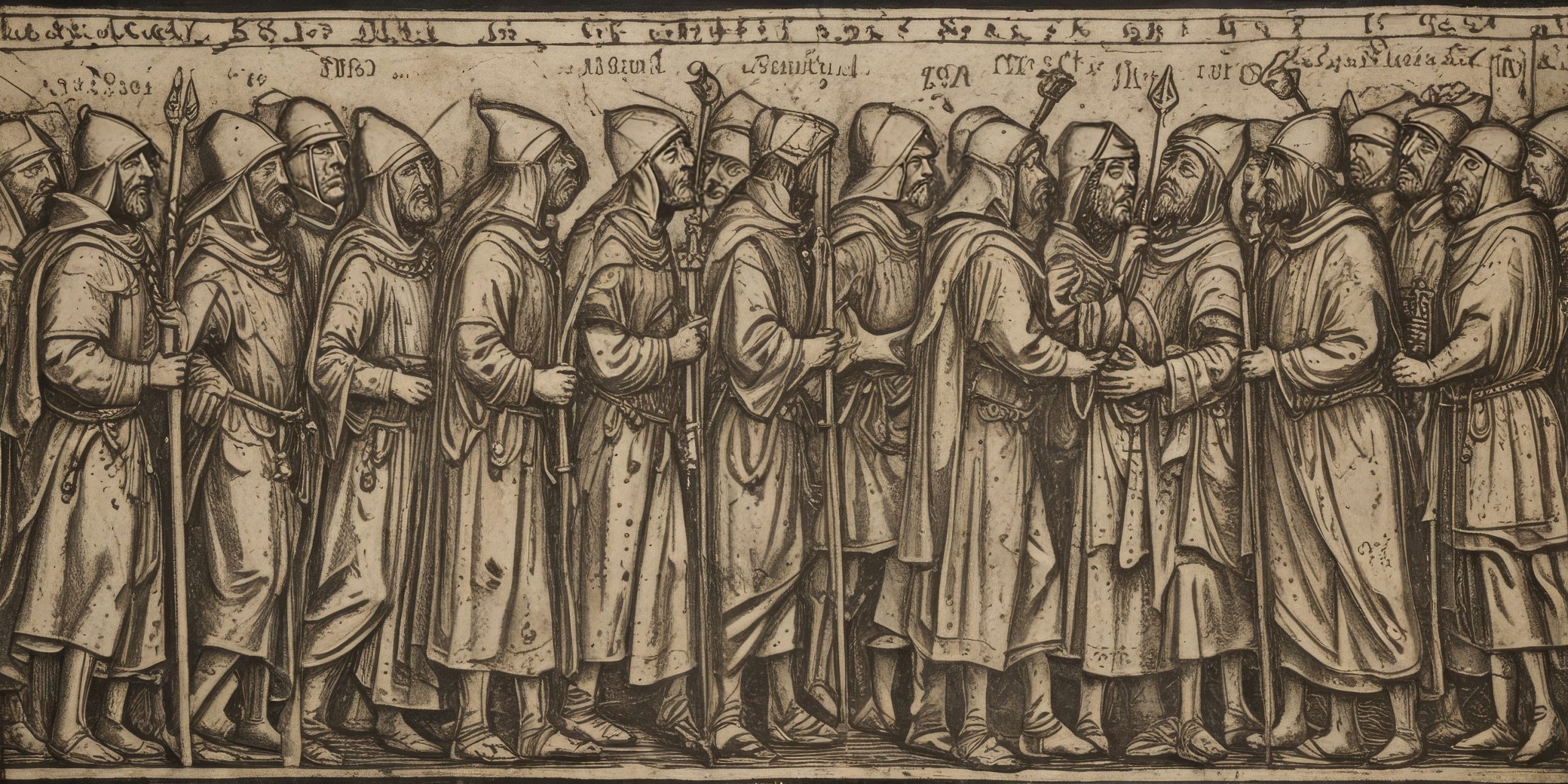
1171: The Betrayal at the Council of Elders revealed the depth of the shadow’s reach. A trusted member of the Light Alliance, revered for their wisdom and leadership, was exposed as a traitor, working to undermine the alliance from within. This betrayal led to devastating losses and cast a shadow of doubt and paranoia among the allies.
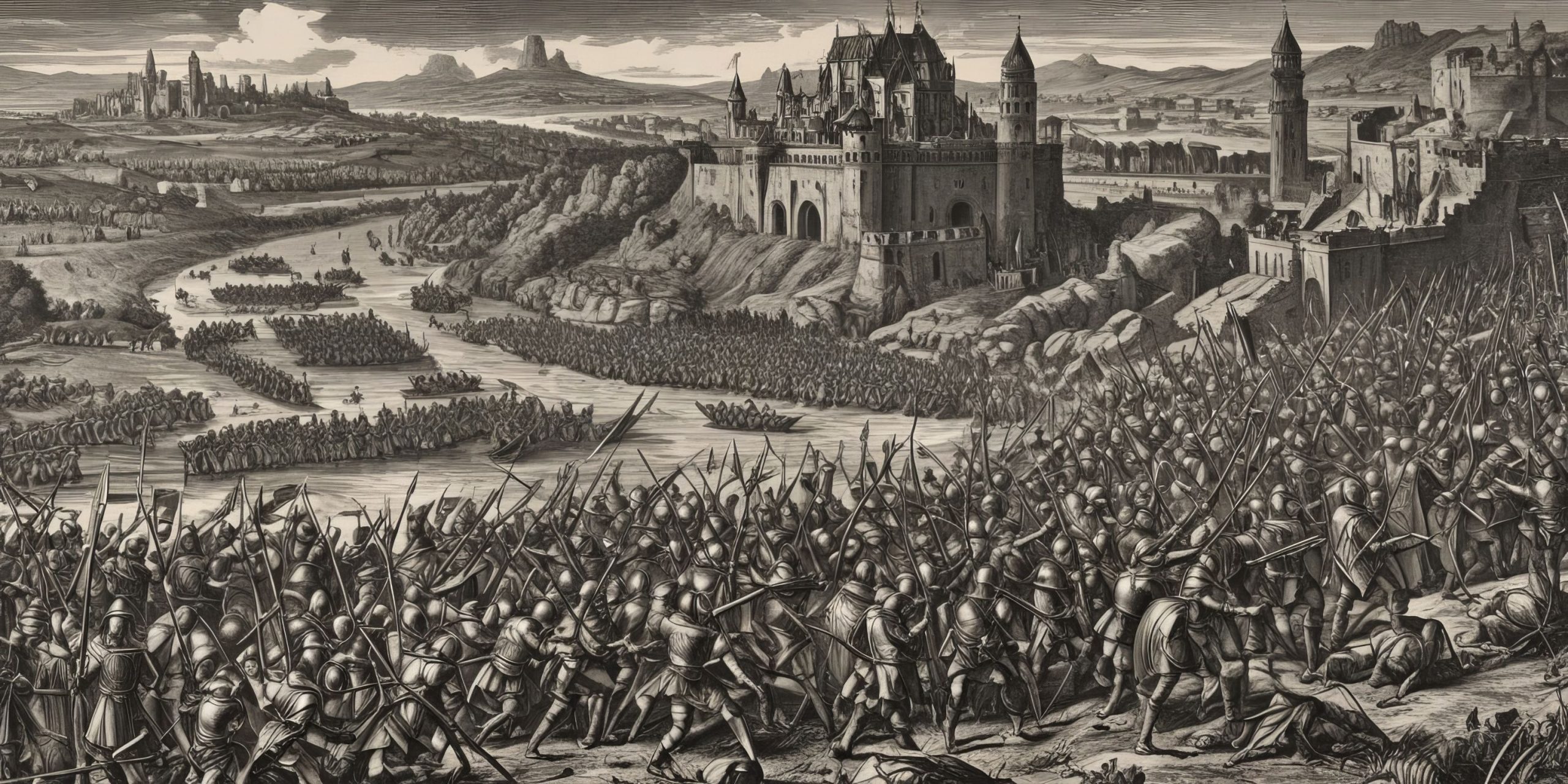
1174: The Reclamation of the Eastern Realms was a series of hard-fought battles that showcased the resilience and determination of the Light Alliance. By regaining control over key territories, they not only secured vital resources but also strategic positions necessary for launching the final assault against the dark forces.
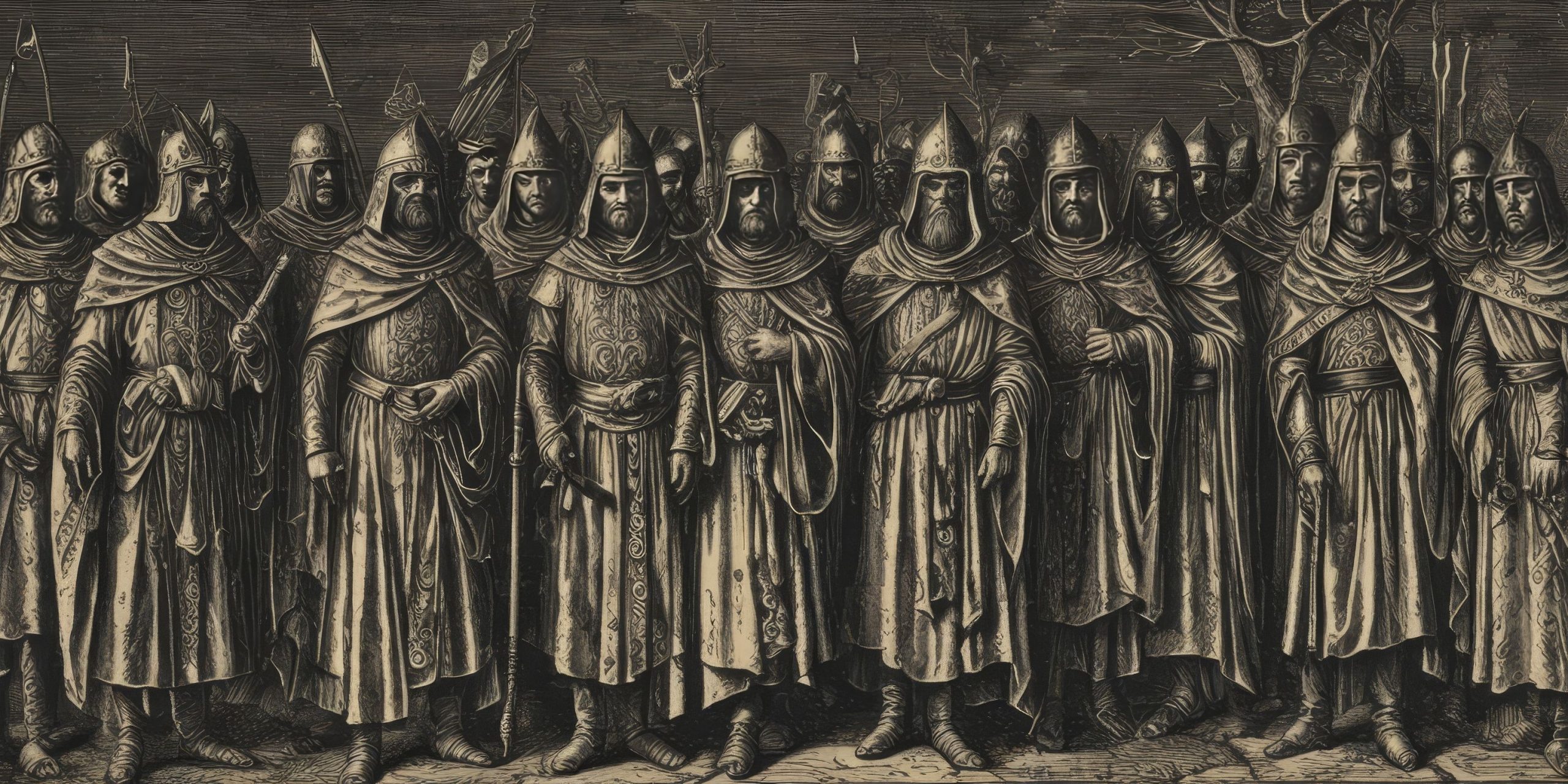
1176: The Dark Convocation was a clandestine gathering of the dark forces’ most powerful leaders, who sought to summon an entity of ancient evil to turn the war decisively in their favor. However, a daring raid by an elite team from the Light Alliance disrupted the ritual, dealing a crippling blow to the dark forces’ morale and capabilities.
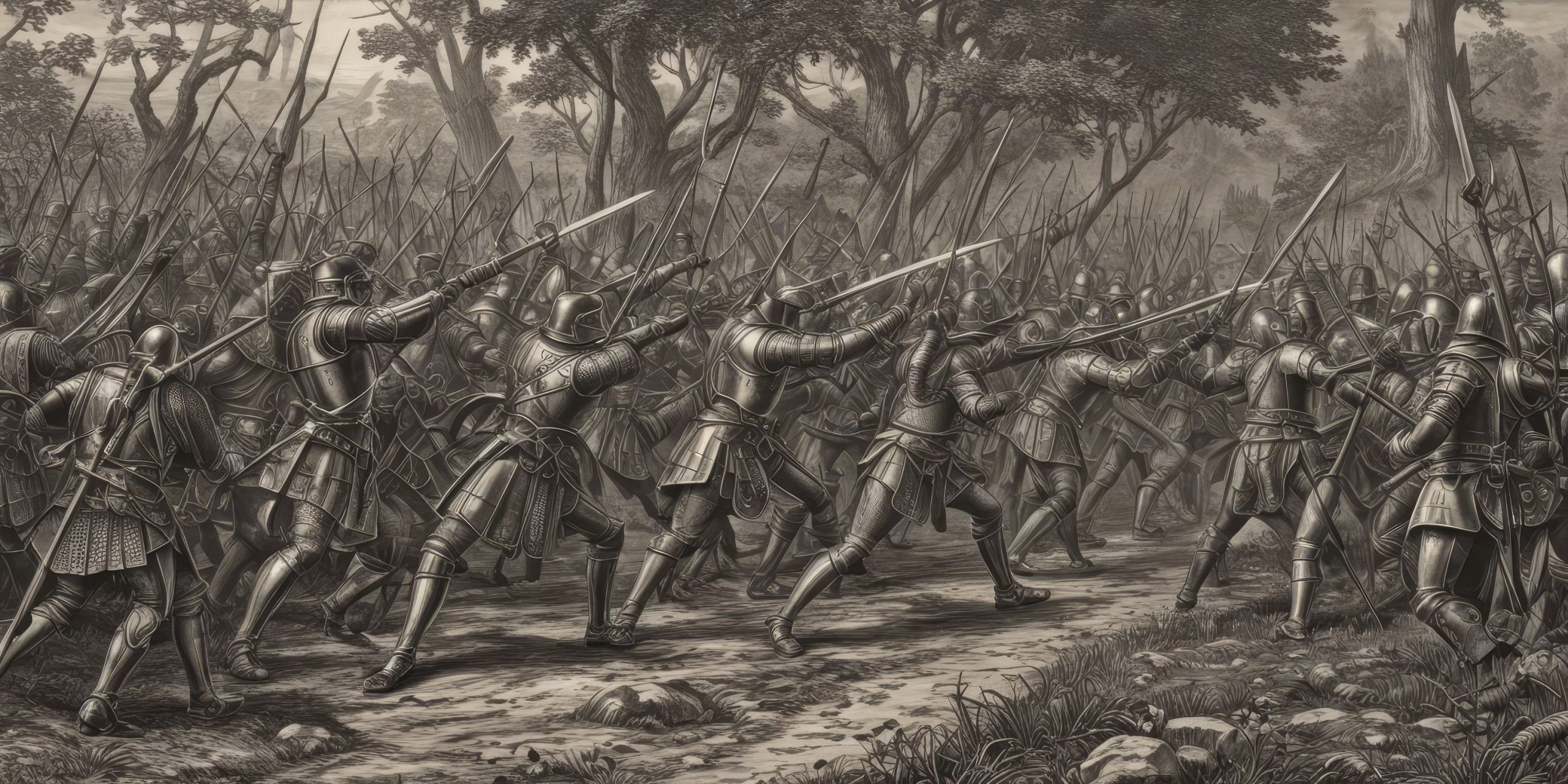
1179: The Battle of Eldritch Vale, the climax of the Shadow War, was a testament to the sacrifices and heroism of those who fought for the light. In this decisive confrontation, amidst a landscape twisted by magic and conflict, the Light Alliance emerged victorious. The Arcane Artifact was secured, its power used to seal the breach between realms, thus ending the war. However, the victory was bittersweet, as many heroes fell, and the landscape of Europe was forever altered. The aftermath saw a time of rebuilding and reflection, with the hope that such darkness would never again rise to threaten the world.
Medieval Europe: Background for "The Shadow War"
Exploring the historical context and societal structure of medieval Europe provides a rich backdrop for narratives like “The Shadow War”.
Sources
- Wikipedia – Middle Ages: Provides an overview of the Middle Ages from 500 AD to 1500 AD, detailing significant events and changes throughout the Early, High, and Late Middle Ages. The era is marked by dramatic shifts in population, technology, agriculture, and societal structures.
- Britannica – Middle Ages: Offers detailed insights into the Middle Ages, emphasizing the crucial role of Christianity and the feudal system. It discusses the collapse of Roman civilization and the emergence of distinct medieval institutions and modes of thought.
- TimeMaps – Medieval Europe: European Civilization in the Middle Ages: Highlights the transformation from a literate, complex urban society to a simpler, more rural one following the fall of the Roman Empire. It underlines the survival of the Christian Church as a dominant cultural force and the emergence of the feudal system as key defining elements of medieval European society.